
Quick answer
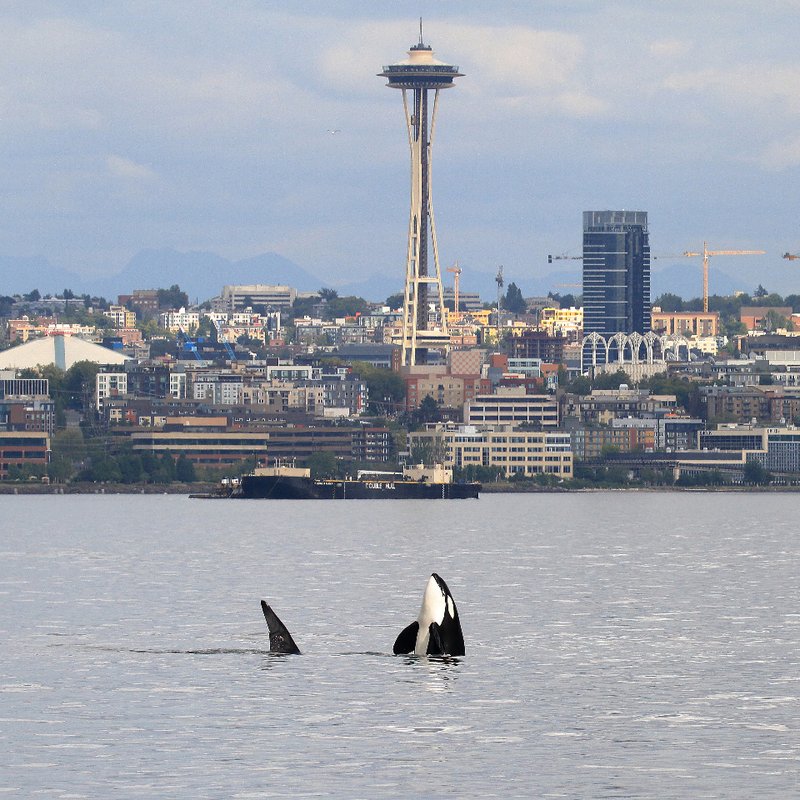
Yes. Whales appear in Seattle's Puget Sound throughout the year, including orcas, gray whales, and humpbacks moving through the Salish Sea. No species is guaranteed on a given day, so timing matters more than location. Public shore viewpoints are free to reach, and daylight hours, roughly dawn to dusk, offer the best visibility.
Few major American cities put wild orcas within sight of downtown, yet Seattle does. From the right stretch of waterfront, a commuter can watch a dorsal fin cut through Elliott Bay before the morning coffee cools. So are there whales in seattle in any reliable sense? The honest answer is that the region hosts several species, each on its own calendar, moving through the wider Salish Sea rather than parking outside the ferry terminal. Three groups dominate the local record. The Southern Resident killer whales, salmon specialists tied to the San Juan Islands, range south into Puget Sound less often than they once did. Transient, or Bigg's, orcas hunt seals and porpoises and have grown more frequent close to the city. Gray whales pause on their northbound migration to feed on ghost shrimp in the shallows near Whidbey Island and Everett, and humpbacks have returned to inland waters in numbers not logged for a century. Harbor seals, sea lions, and porpoises fill in the quieter days. Understanding that mix reframes the question. A visitor asking whether whales appear on demand will be disappointed; a visitor who treats the search as wildlife-watching, governed by tides, salmon runs, and luck, will read the odds correctly. Naturalists on the water track sightings hour by hour, which is why a guided Seattle whale watching tour out of Elliott Bay covers far more ground than a fixed point on the seawall. Puget Sound itself is a deep glacial trough braided with islands, passages, and the open Strait of Juan de Fuca to the northwest, so a whale reported off West Seattle at dawn may be miles north by afternoon. That fluidity is why local operators publish daily logs and why patient observers do better than hurried ones. For planning purposes, the practical takeaways are simple. Sightings cluster in daylight, so the useful hours run roughly dawn to dusk. Public shore points cost nothing to reach, though they trade convenience for coverage. And the season matters more than the address for Puget Sound whale watching, a subject the dedicated timing section handles in detail. Read together, those threads answer the underlying question behind are there whales in seattle: the marine mammals are genuinely here, documented across the year, and they reward people who plan around the water rather than against it, ideally handing live scheduling to a naturalist who was on the Sound yesterday and expects to be there again tomorrow.
“The marine mammals are genuinely here, documented across the year, but they reward the people who plan around the water rather than against it.”
Peak Season: Are There Whales in Seattle Year-Round?
The peak window for whale watching in Seattle is from June through September. During these summer months, calm weather and long daylight hours align with the highest concentrations of humpback whales, minke whales, and orcas.
Spring (March to May)
Moderate weekday crowds, busier weekends45°F to 60°F, frequent light rain
Gray whales, particularly the Sounders cohort, feed in north Puget Sound. Humpback sightings begin to increase alongside resident orca activity.
Summer (June to August)
Peak tourist volumes, booking required65°F to 80°F, mostly dry
Humpbacks, Minke whales, and Orcas show peak activity. Long daylight hours provide multiple departure options and excellent water visibility.
Fall (September to October)
Lower weekday crowds, moderate weekends50°F to 65°F, rising rain chances
Humpbacks feed heavily before migrating, and Bigg's Orcas roam the waters. Clear days offer excellent viewing conditions with fewer tourists.
Winter (November to February)
Very low tourist numbers35°F to 48°F, cold and rainy
Transient Bigg's Orcas roam the sound year-round, while resident pods occasionally follow salmon runs. Boat tours are limited, requiring warm, waterproof layers.
Verdict: Tuesday to Thursday, departing between 06:00 and 18:00 from June through August for the highest sighting success and smallest crowds.
Top Shore Viewpoints: Where Are There Whales in Seattle?
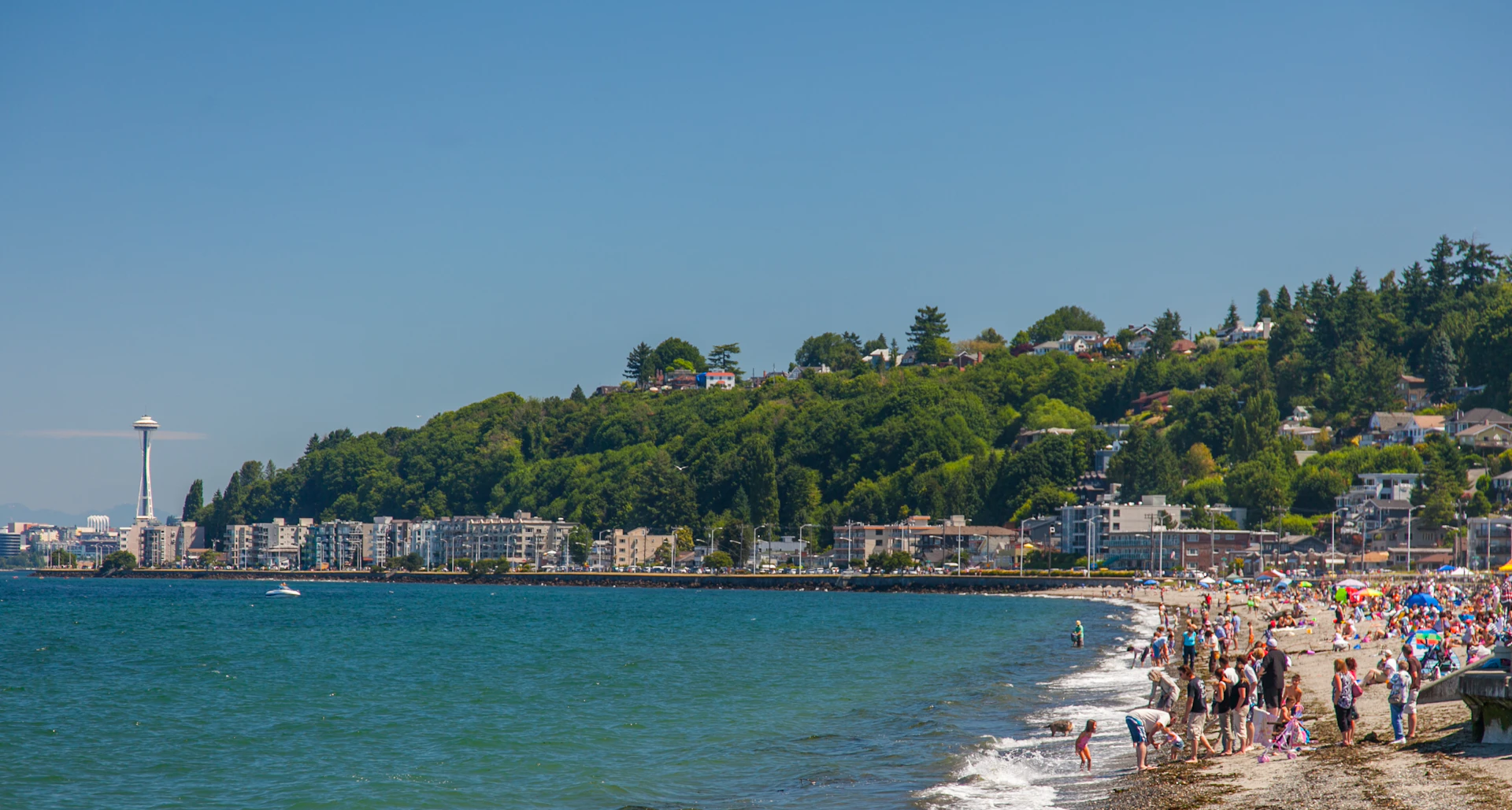
Alki Beach Park
Scan Puget Sound from the sandy shoreline or paved pedestrian trail where transient orcas occasionally hunt close to shore.
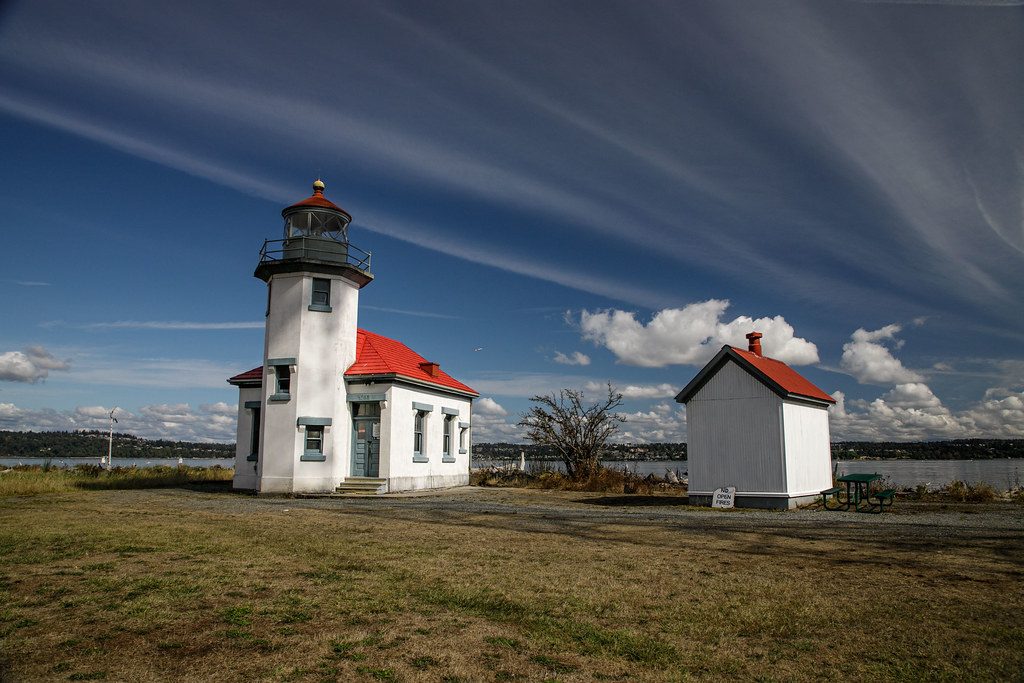
Point Robinson Lighthouse
Watch for whales passing through the narrow East Passage from the sandy beach adjacent to the historic octagonal lighthouse tower.
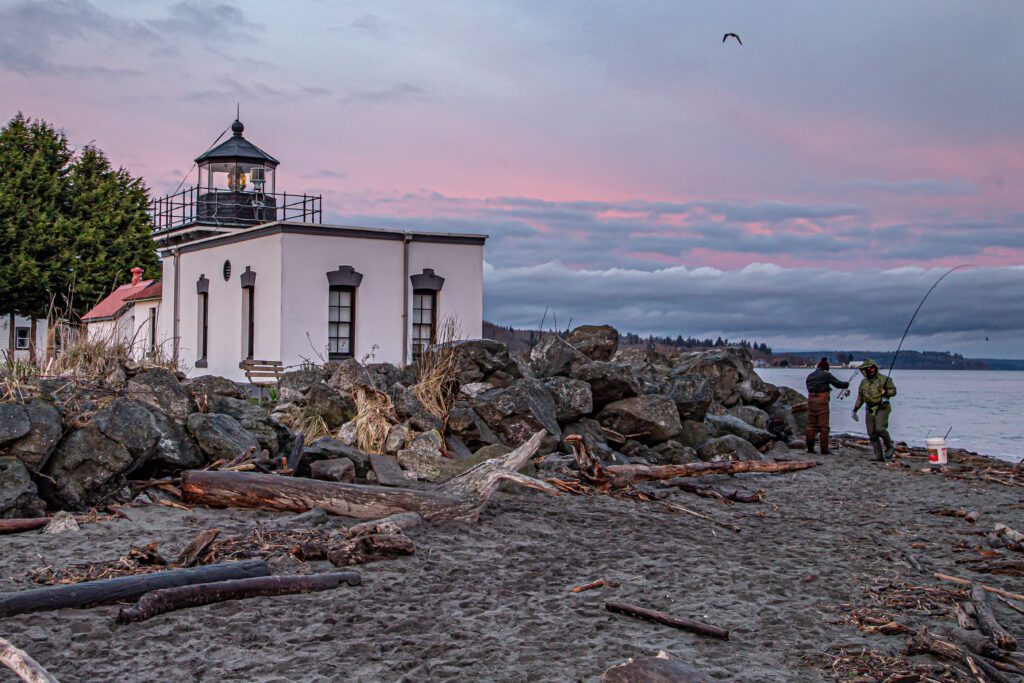
Point No Point Lighthouse
Photograph the oldest active lighthouse on Puget Sound from the surrounding sandy spit, where currents bring marine mammals close to shore.
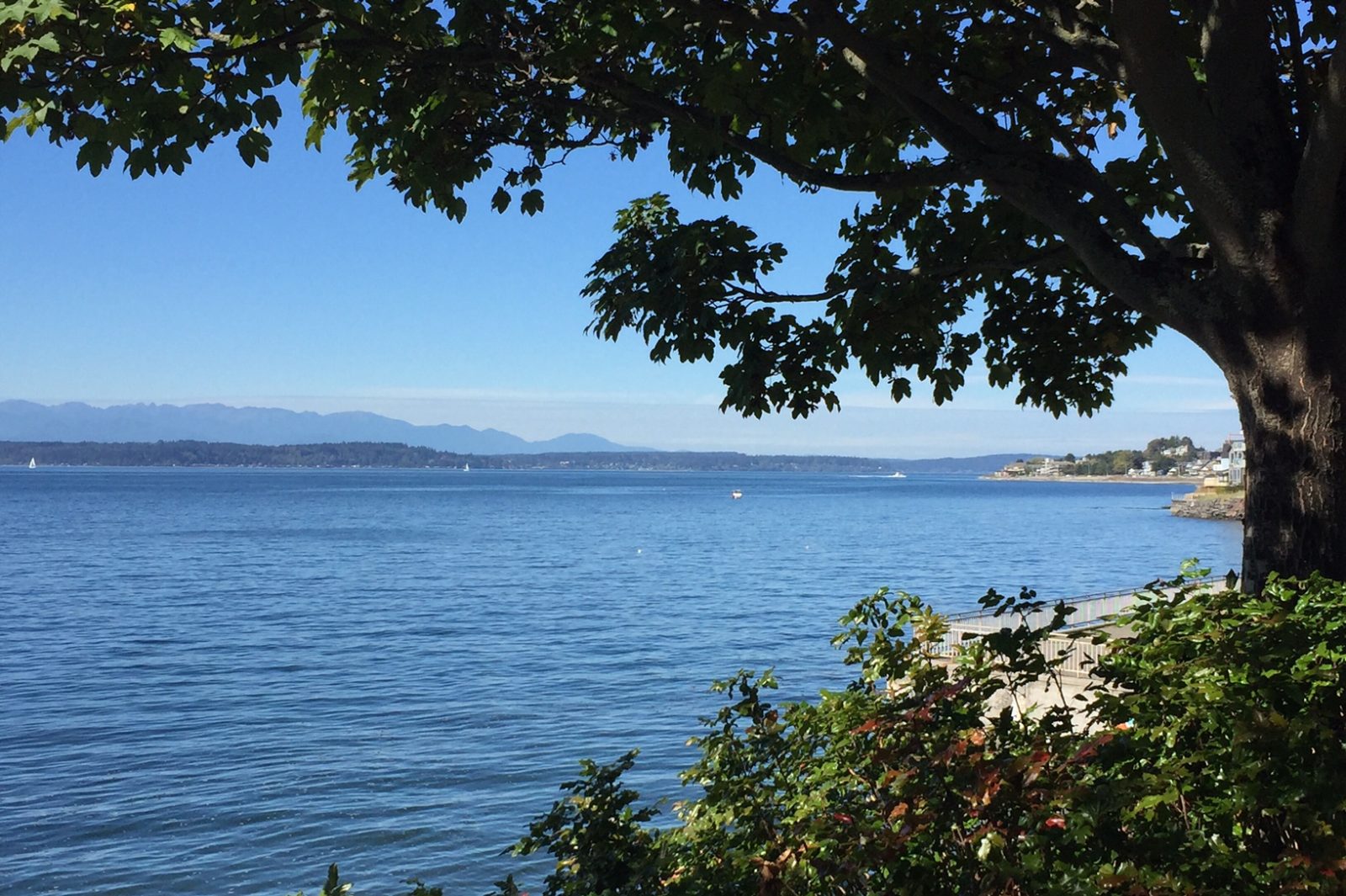
Emma Schmitz Memorial Overlook
Stand on the elevated stone sea wall along Beach Drive to photograph Puget Sound waters with the Olympic Mountains in the background.

Charles Richey Sr Viewpoint
Position your camera at this rocky shoreline park just south of Alki Point, ideal for framing marine life against Washington State ferries.
Ticket Costs: Are There Whales in Seattle for Free?
Spotting whales in Seattle from public shore viewpoints is entirely free of charge. However, visitors who wish to access state parks or take passenger ferries to nearby islands will encounter separate vehicle and transit fees.
A typical adult pays 0 USD to view whales from Seattle's public city shoreline, though choosing to ride a state ferry to island viewpoints increases the baseline cost by 11.35 USD.
Viewing Hours for Spotting Whales in Puget Sound
Public shoreline viewing areas around Puget Sound are accessible 24 hours a day, seven days a week, allowing for round-the-clock water observation. However, observers should plan visits between 06:00 and 18:00, as daylight hours provide the necessary visibility to monitor whale activity.
| Monday | 00:00–23:59 | Daylight hours recommended |
|---|---|---|
| Tuesday | 00:00–23:59 | Daylight hours recommended |
| Wednesday | 00:00–23:59 | Daylight hours recommended |
| Thursday | 00:00–23:59 | Daylight hours recommended |
| Friday | 00:00–23:59 | Daylight hours recommended |
| Saturday | 00:00–23:59 | Daylight hours recommended |
| Sunday | 00:00–23:59 | Daylight hours recommended |
Access to the water remains constant throughout the year, meaning these public areas do not close for winter or holidays, though changing daylight patterns naturally reduce the daily window of visibility.
Common Misconceptions: Are There Whales in Seattle to See Daily?
Misunderstandings about Puget Sound marine life often arise because whale behavior and migration patterns differ from standard tourist expectations. Clarifying these biological and geographic realities helps visitors plan realistic excursions and support local conservation efforts.
MythYou can only see whales in Seattle if you book a boat tour.
FactSeveral species, including Bigg's killer whales, humpbacks, and gray whales, are frequently visible from public shorelines along the Puget Sound. Visitors can observe these marine mammals from land without booking a boat trip.
MythSouthern Resident killer whales are the only orcas inhabiting the waters around Seattle.
FactBigg's transient killer whales actually visit the Puget Sound far more frequently than the endangered Southern Residents, hunting marine mammals instead of salmon. They represent the majority of orca sightings in the region.
MythWhales live in the Seattle harbor and are visible at guaranteed times daily.
FactWhales are wild, highly mobile animals that travel up to one hundred miles per day throughout the wider Salish Sea. Their movements are unpredictable, meaning there are no fixed daily schedules or permanent resident pods in the harbor.
Expert Tips for Seattle Whale Watching
Spotting whales in Puget Sound requires preparation, patience, and the right digital tracking resources.
Use Whale Alert App
Download the Whale Alert app to track live sightings and log your own observations. This tool displays active safety zones to help mariners avoid collisions.
Check Orca Network Reports
Review the Orca Network community reports for real-time locations and travel directions. These crowd-sourced updates help you pinpoint exactly where pods were last seen.
Carry High-Powered Binoculars
Pack binoculars with at least 8x or 10x magnification to scan the water. Whales often surface far from the shore, making quality optics essential for identifying blows.
Dress in Thermal Layers
Wear windproof layers, a warm hat, and gloves to stay comfortable. Temperatures on the water and along breezy shorelines drop significantly lower than in downtown Seattle.
Scan the Horizon First
Look for puffing spouts of mist or sudden splashes with your naked eye before using lenses. Once you locate the disturbance, point your binoculars to study the whale.
Monitor Hydrophone Networks
Listen to live audio feeds on Orcasound.net to hear active killer whale vocalizations. When hydrophones capture underwater calls, it indicates pods are traveling nearby.
Check availability
Frequently asked questions about are there whales in seattle
Everything you need to know about are there whales in seattle